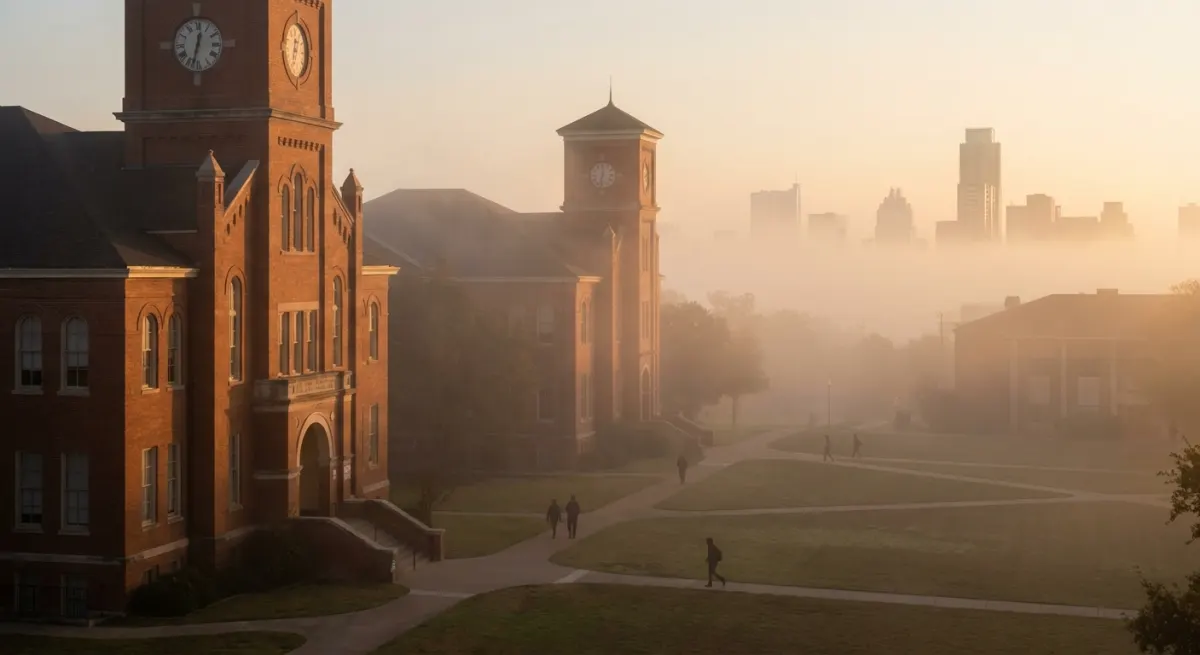
Huston‑Tillotson University is more than a landmark in East Austin—it is the quiet engine behind some of the most important chapters in the city’s cultural, educational, and civil‑rights history. Founded long before the University of Texas welcomed its first students, Huston‑Tillotson University has shaped generations of Black leadership and anchored a community that continues to influence Austin’s identity today.
EAST CESAR CHAVEZ
Interactive map with permits, restaurants, bars & development data
Huston‑Tillotson University
Because this is an active campus serving current students, aim for late afternoon, early evening, or weekends if you want a quieter visit and more time to linger over the skyline views.
This guide gives you both the essential historical arc and the insider context needed to understand why Huston‑Tillotson remains one of the most important institutions in the city. For an official overview, you can also explore the university’s own history narrative.
THE ORIGINS: THE FIRST COLLEGE IN AUSTIN
Huston‑Tillotson traces its beginning to 1875, when Tillotson Collegiate and Normal Institute was established by Rev. George Jeffrey Tillotson with support from the American Missionary Association to serve newly freed African Americans during Reconstruction. Samuel Huston College, founded later by the Methodist Episcopal Church, would grow alongside it, part of a broader wave of denominational support for historically Black colleges and universities after the Civil War. Their 1952 merger formed the modern Huston‑Tillotson University under the motto "In union, strength."
"In union, strength.
THE IMPACT: A NETWORK OF LEADERS WHO CHANGED TEXAS
HT produced a legacy of leaders whose influence rippled far beyond Austin:
- Dr. Herman Aladdin Barnett, the first Black graduate of UT Medical School
- Lucille Elizabeth Bishop Smith, pioneering chef and entrepreneur
- Frederick D. Patterson, founder of the United Negro College Fund
- Volma Overton, civil-rights leader who spearheaded Austin ISD desegregation
These alumni represent just a fraction of the university’s role as a center for Black excellence during a century of segregation and social transition.
If you’re digging deeper into local Black history, the Austin History Center’s African American collections are an essential companion resource, especially when paired with Huston‑Tillotson archives and alumni oral histories.
THE CAMPUS TODAY: QUIET, HISTORIC, AND FULL OF STORIES
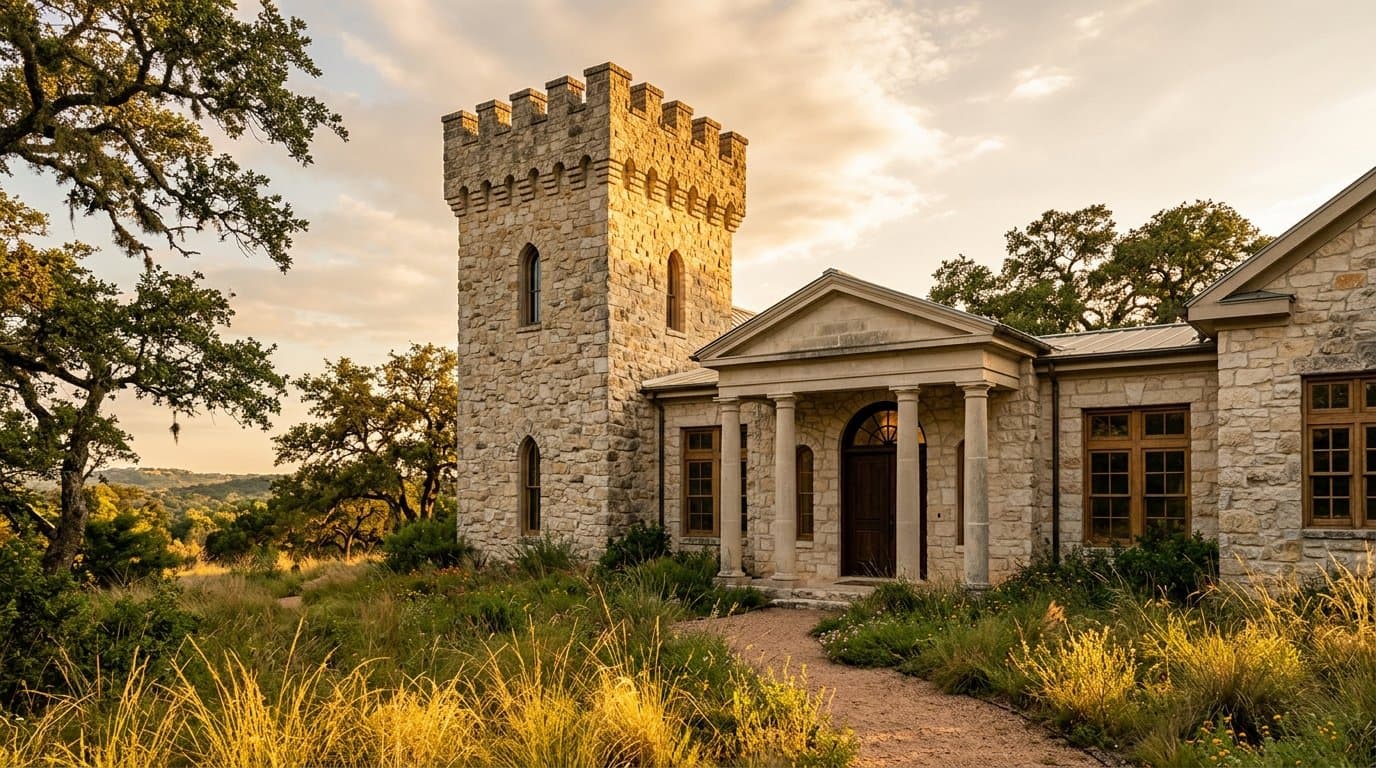
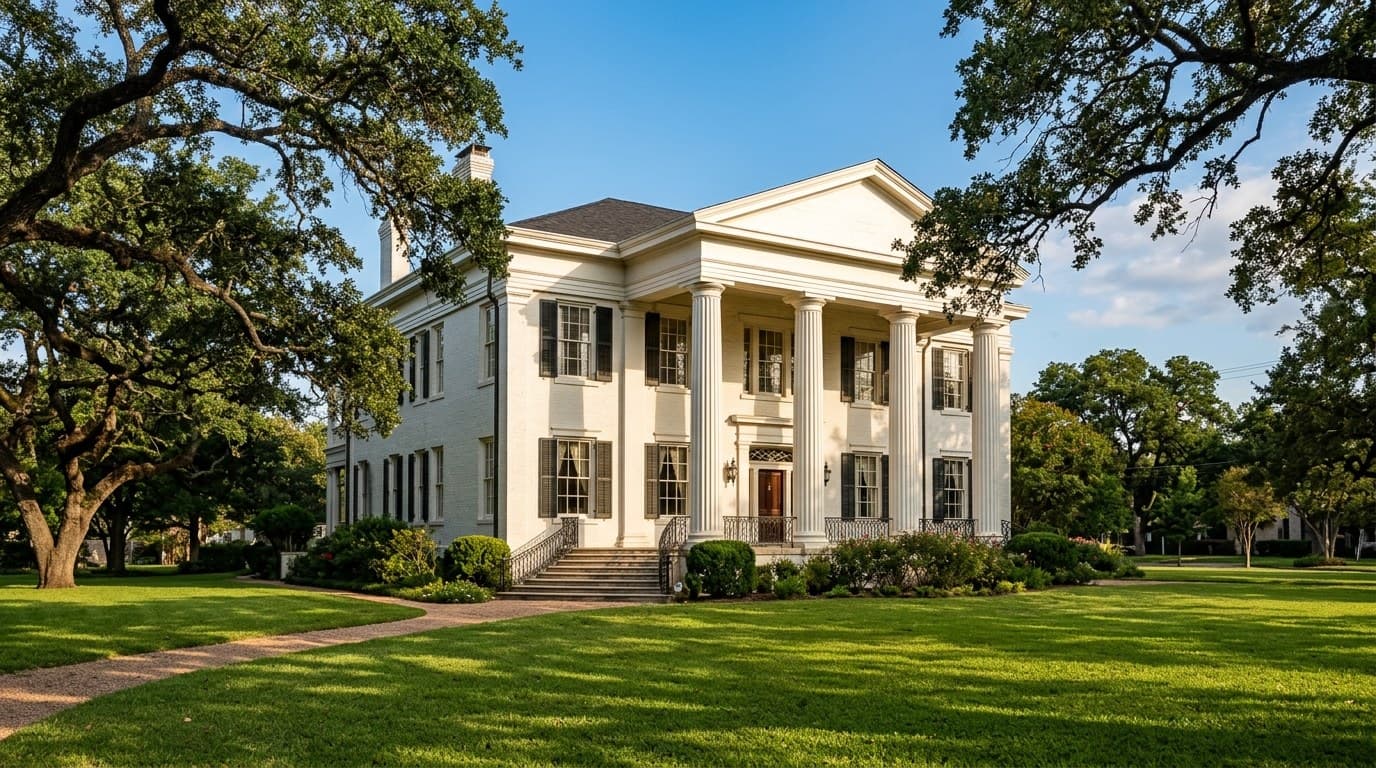
Though often overlooked by visitors, the campus sits on a rise east of I‑35 with sweeping skyline views and several historic structures dating back to the early 20th century. One of the most notable is Anthony and Louise Viaer Alumni Hall, listed on the National Register of Historic Places.
For the best skyline photos, walk toward the west side of campus near the higher lawns just before sunset—you’ll get downtown views without the usual crowds along the lake.
The university regularly participates in MLK Day celebrations, community programs, and cultural events that spotlight East Austin heritage, which often overlap with downtown traffic changes covered in our Austin convention center construction and access guide.
INSIDER INTELLIGENCE
Parking on and around campus can be tight during class hours and major events. Build in extra time, check for visitor parking instructions on HT’s site, and be prepared to use nearby street parking or ride‑share.
- Campus access varies. Some buildings require prior arrangements; contact HT’s communications office via the official site before planning any formal visits.
- The university is deeply involved in East Austin preservation conversations—faculty and alumni can be excellent sources for oral history and archival insights, especially when paired with the research tools at the Texas State Historical Association and Austin History Center.
- The campus is a prime photography spot for skyline views without downtown crowds. After a visit, you can extend the evening with nearby family‑friendly outings like the city’s best holiday lights with kids.
- For deeper research, the Austin History Center and the Texas State Historical Association maintain related archives, and HT’s own humanities and history programs offer additional context for students and scholars.
If you’re already exploring East Austin heritage, you can round out your historical circuit with stories of the city’s early immigrant communities and seasonal cultural gatherings featured in our guide to Austin holiday markets and global‑inspired vendors.
Huston‑Tillotson University is a cornerstone of Austin’s story—one that reveals a city far older, richer, and more complex than its contemporary skyline suggests. Its role in shaping East Austin and its generations of leaders remains one of the most important parts of the city’s identity, and visiting the campus pairs naturally with broader cultural outings like Fortlandia at the Lady Bird Johnson Wildflower Center for families looking to connect with Austin’s past and present in one trip.
Related Austin Data
More Austin Guides
Share this article