If you ask longtime Austinites where they go when they truly want to disappear, you won’t hear Zilker, the Greenbelt, or any of the usual tourist-laden stops. The real escapes are tucked between neighborhoods, behind unmarked trailheads, or concealed inside the city’s patchwork of greenbelts and preserves, many of which quietly appear in the official Austin park directory.
Most of these preserves are small, minimally developed city properties—expect limited signage, restrooms, and water fountains, and plan to pack in everything you need.
Below is a premium, insider-level guide to Austin’s quietest, most under‑the‑radar nature preserves—places locals rely on when they need deep nature without the crowds. If this list whets your appetite, you can also dive into an even bigger roster of low‑profile spots in this guide to Austin’s hidden parks and secret nature escapes.
BLUNN CREEK NATURE PRESERVE
Blunn Creek Nature Preserve
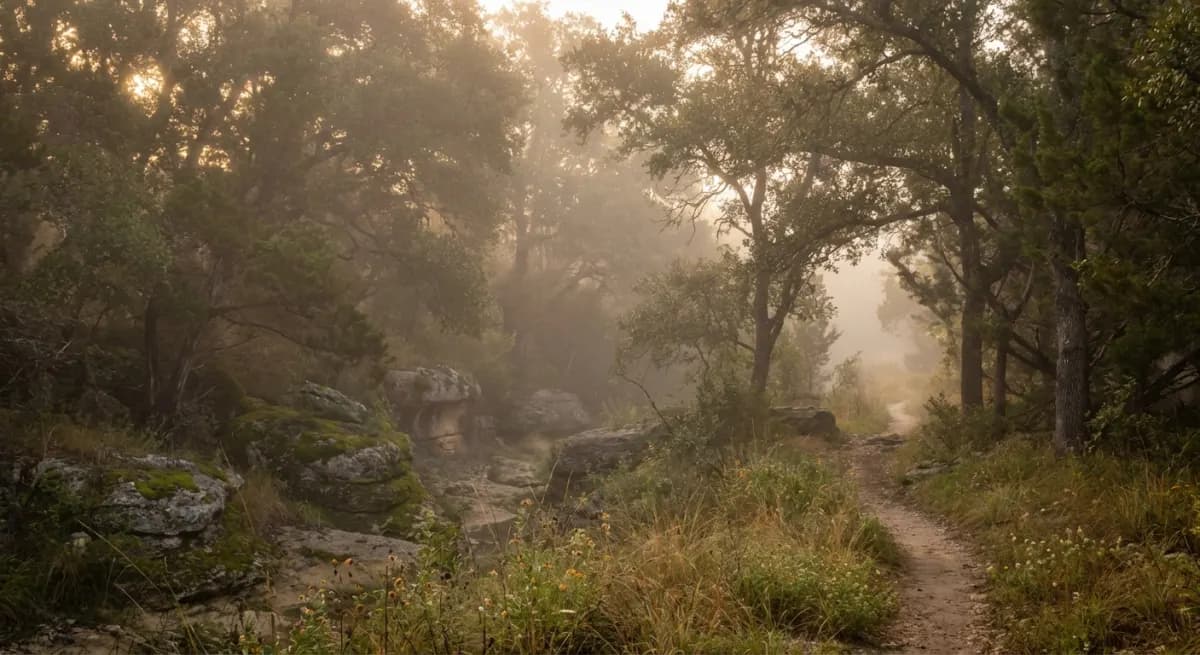
FreeA South Austin sanctuary quietly sitting behind St. Edward’s University, Blunn Creek offers volcanic rock outcroppings, shaded forest trails, and surprising elevation changes. Local stewards with the Blunn Creek Partnership have long worked to protect this rare urban watershed and its unique geology. Despite sitting close to major streets and apartments, the preserve remains one of Austin’s most reliably peaceful weekday escapes.
Hit Blunn Creek at sunrise or just before sunset on weekdays—those windows are when you’re most likely to have the overlooks and creek crossings almost entirely to yourself.
Why locals love it:
• Hidden volcanic geology
• Rarely crowded
• Fast, quiet disconnect within city limits
SHOAL CREEK GREENBELT
Shoal Creek Greenbelt
FreeRunning north–south through Central Austin, the Shoal Creek corridor is one of the city’s most accessible greenbelts—but large stretches remain almost entirely unused. Small waterfalls, limestone overhangs, and shaded creekside paths create a surprisingly immersive urban wilderness that still flies under the radar compared to other spots highlighted in the city’s parks and recreation system.
🟤Dry(0.0 cfs)Shoal Creek can rise quickly after heavy rain, covering low-water crossings and flooding sections of trail. Check conditions and avoid the greenbelt during and immediately after storms.
Best quiet sections:
• 34th St. to 38th St.
• behind Seiders Springs Park
STEPHENSON NATURE PRESERVE
Stephenson Nature Preserve
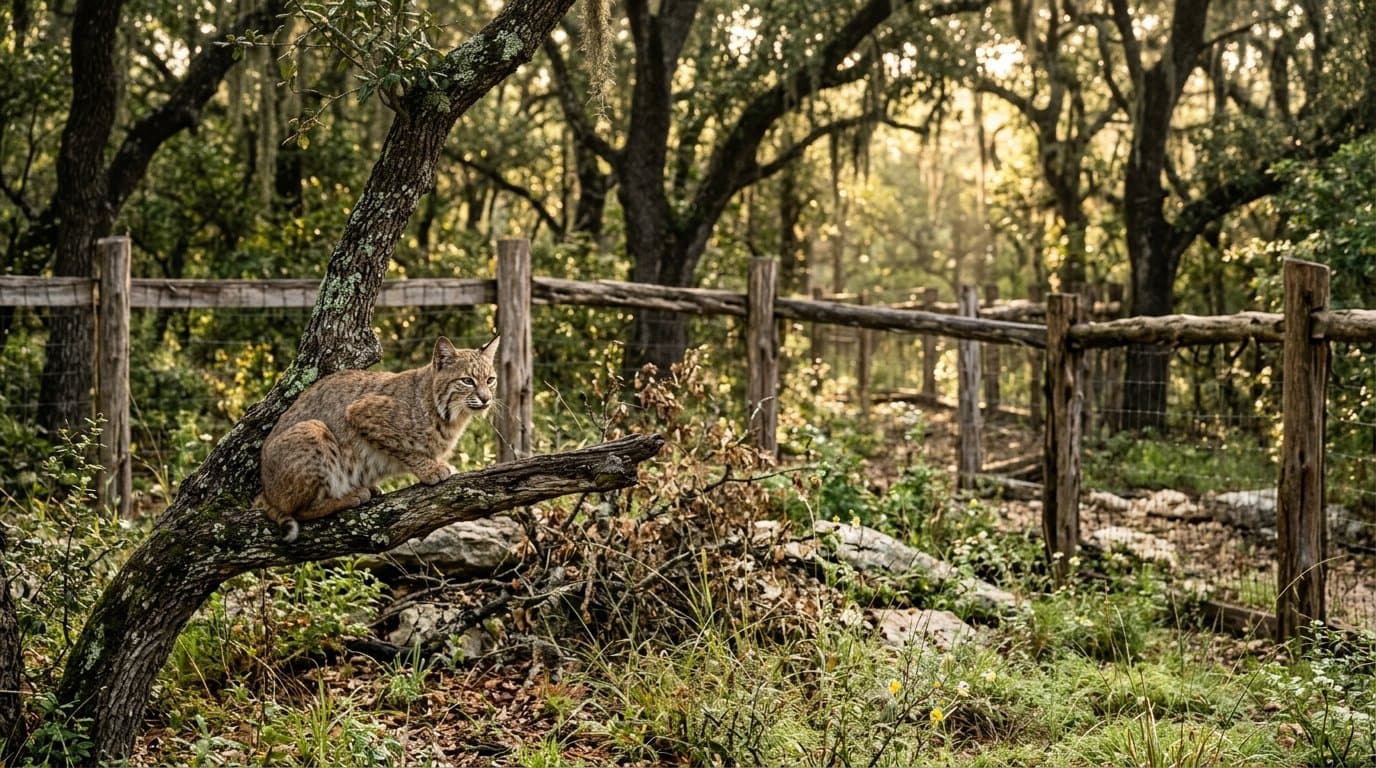
FreeLocals describe this South Austin preserve as the place “nobody realizes exists.” Unmarked trail loops wind through old-growth cedar, with occasional clearings that feel miles from the nearest road.
Trails here are a web of unmarked loops—download an offline map or drop a pin at your car so you can roam freely without worrying about getting turned around.
There are no restrooms or water on-site, and summer heat can be intense even under the trees. Bring more water than you think you’ll need and plan accordingly.
Expect:
• Mountain-bike-friendly paths
• Wildlife sightings
• Minimal foot traffic
ST. EDWARD’S GREENBELT
St. Edward’s Greenbelt
FreeJust minutes from downtown, the St. Edward’s Greenbelt offers creek access, scenic overlooks, and rugged rocky terrain. It’s especially quiet on weekday mornings and is one of the few central spots where you can reliably find solitude, even as it sits under the broader umbrella of Travis County public lands and preserves.
Local tip:
Take the upper trail loops for panoramic views and full isolation.
COMMONS FORD RANCH PARK
Commons Ford Ranch Metropolitan Park
FreeThis west-side park offers native tallgrass prairie, wide‑open meadows, and Lake Austin shoreline access—without Lake Austin crowds. Birders regard it as one of the city’s top hotspots, especially in winter, and it frequently appears in the Texas Parks and Wildlife Austin birding sites guide.
The restored prairie and riparian zones here are part of a long-running habitat project—stay on established paths and give fenced restoration areas extra space, especially during nesting season.
Why it stays quiet:
• No big playgrounds
• No large picnic zones
• Focus on habitat conservation
INSIDER INTELLIGENCE
These spots stay quiet because locals treat them like secrets. If you go:
• Visit early morning—many trails feel completely empty until 10 a.m.
• Avoid posting specific trailhead directions—locals prefer low-impact awareness.
• Winter and early spring offer the clearest water and least foot traffic.
• Most preserves prohibit amplified sound, biking on certain trails, or off‑trail wandering—check Austin Parks and Recreation’s official rules and regulations before you go.
If you want to combine your hike with a deeper wellness reset, you can plan a nature‑plus‑spa day built around the ultra‑luxury experience at Canyon Ranch Austin. Prefer to keep things social after a quiet morning on the trail? Trade boots for bowling and vintage games at Pins Mechanical Co., one of St. Elmo’s hidden social playgrounds, or lean into movement with an outdoor dance session at Zouk & Lambada in the Park.
Parking near these greenbelts can be tricky, and some trailheads rely on neighborhood street parking. Check posted signs for permit-only zones, avoid blocking driveways, and review the city’s schedule of Austin free parking days and holiday-meter rules before planning a weekday escape.
For accessibility details, trailheads, and facilities across more than just these preserves, the city’s ATXgo parks access guide is a helpful, map-based planning tool.
These escapes won’t stay quiet forever—but for now, they remain some of the last places in Austin where you can hear your footsteps, the breeze, and not much else.
Related Austin Data
Share this article