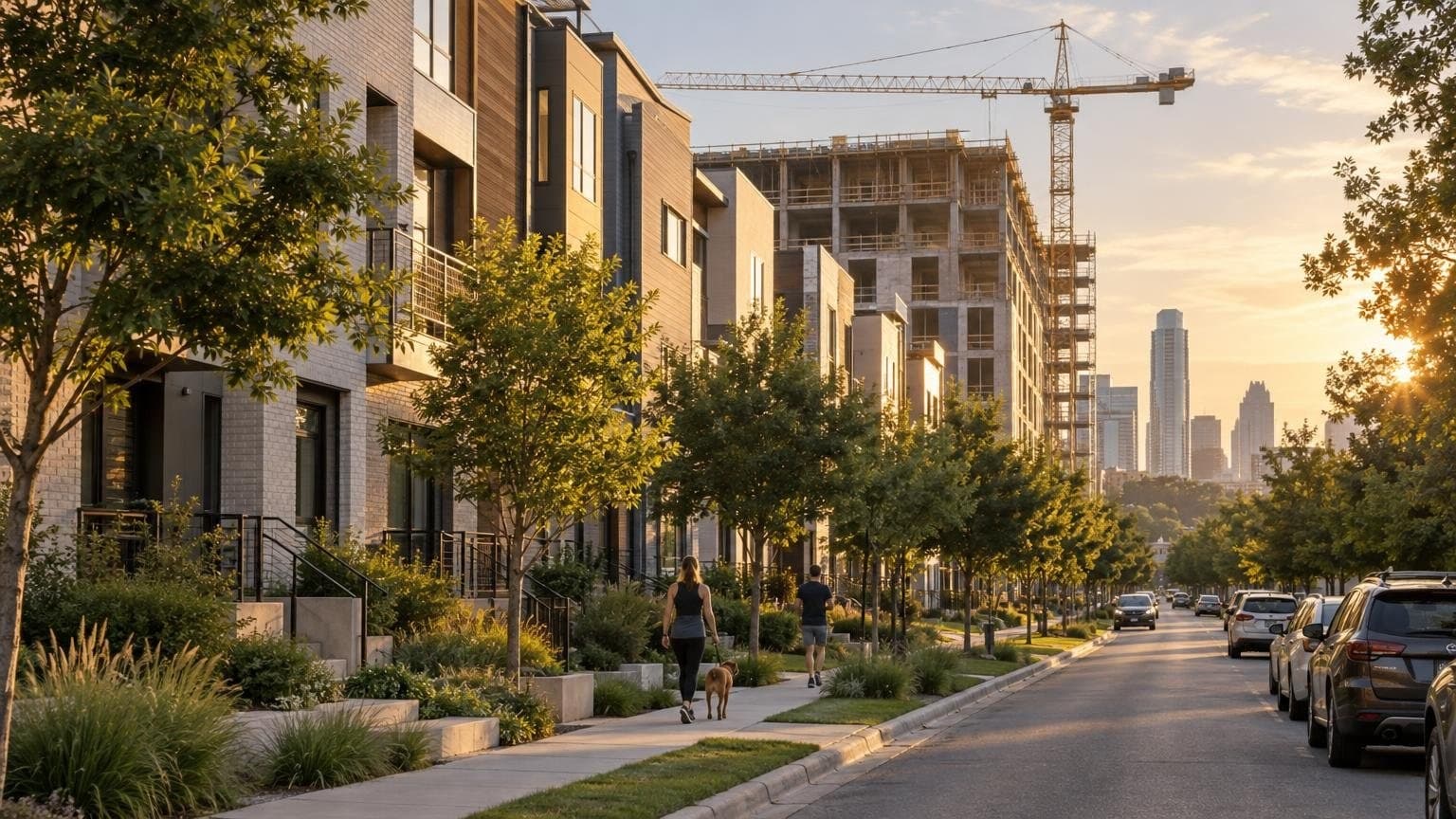
Austin City Council votes Wednesday through Friday, August 12–14, on the city's FY2027 budget and a new property tax rate of $0.57953 per $100 of assessed value. According to ATX Things analysis of the city's own budget documents, the typical Austin homeowner's combined tax-and-fee bill — property tax plus water, trash, electricity, drainage and the clean community fee — rises $28.83 a month, or $345.95 a year, under the proposal.
That number is smaller than the one Austin voters already said no to once this year. In November 2025, residents rejected Proposition Q, a ballot measure that would have set the tax rate five cents above the state-mandated cap, by a landslide — 68% voted against it. This week's vote is City Manager T.C. Broadnax's second attempt at a budget, built to stay inside the legal limit that Prop Q would have broken through.
The Two Numbers the City Is Actually Asking For
City Hall's own numbers get flattened into one figure a lot, and the two pieces mean different things for your monthly budget.
Property tax alone: the proposed rate ($0.57953/$100 valuation) adds $14.49/month, or $173.87/year, to the typical homeowner's city property tax bill.
Property tax plus city fees: add in proposed increases to electricity, trash, water, drainage and the clean community fee, and the typical Austin tax-and-ratepayer's total goes up $28.83/month, or $345.95/year.
Both figures are the city's own, published July 16, 2026. Renters don't pay property tax directly, but the fee increases hit utility bills regardless of whether you own or rent.
Why This Vote Looks Different From Last Year's
Last August, Council passed a $6.3 billion FY2026 budget built on a rate five cents above what state law otherwise allows without voter approval — triggering a mandatory Tax Rate Election. Had it passed, the average homeowner's property taxes would have climbed roughly $300 a year on top of city fee increases. Austin voters killed it. Early vote alone ran 68% against, and The Texan called it a "blowout victory" for the no side.
That left the city operating at the lower, voter-capped rate for the rest of FY2026 — and staff spent the spring rebuilding this year's budget around a tighter number instead of asking voters to approve another increase. The proposed FY2027 rate doesn't require an election; council can adopt it directly this week. It's the same City Hall watching the tax base ATX Things has been tracking all year in our Austin Development Report — new construction is part of what keeps that rate from climbing further.
What's in the $6.6 Billion Budget
The property tax rate is one line in a much larger document. Some of what it funds, straight from the city's own release:
| Where the money goes | What's changing |
|---|---|
| Parks & pools | +$1.2M for parkland/facility maintenance and refurbished-pool operating costs |
| Animal Shelter | +$275,000 one-time for safety and security improvements |
| Convention Center | $643M in planned capital spending for the expansion project |
| Housing | +$7.8M for local housing vouchers; +$6M for permanent supportive housing services; +$2.3M emergency rental assistance |
| Fire & EMS | +$6M in sworn Fire overtime funding; 32 new firefighter positions; +$500,000 EMS overtime |
| Airport | 25 new positions for growing passenger volume |
| Mobility | $38M in capital spending on 2016 Mobility Bond corridor projects |
| IT | –$5.8M via software/IT consolidation |
| Efficiency audit | $1.5M to review city-wide operations for savings |
City Manager Broadnax framed it as a budget of trade-offs rather than pure growth: "While there are reductions in this budget — that's not the entire story. We also increased investments in key areas, especially those that matter most to our community." The $643M Convention Center capital line sits alongside other big, ongoing downtown civic spending — see our reporting on the Paramount Theatre's own restoration and Congress Avenue's lane closure a few blocks away.
When and How to Weigh In
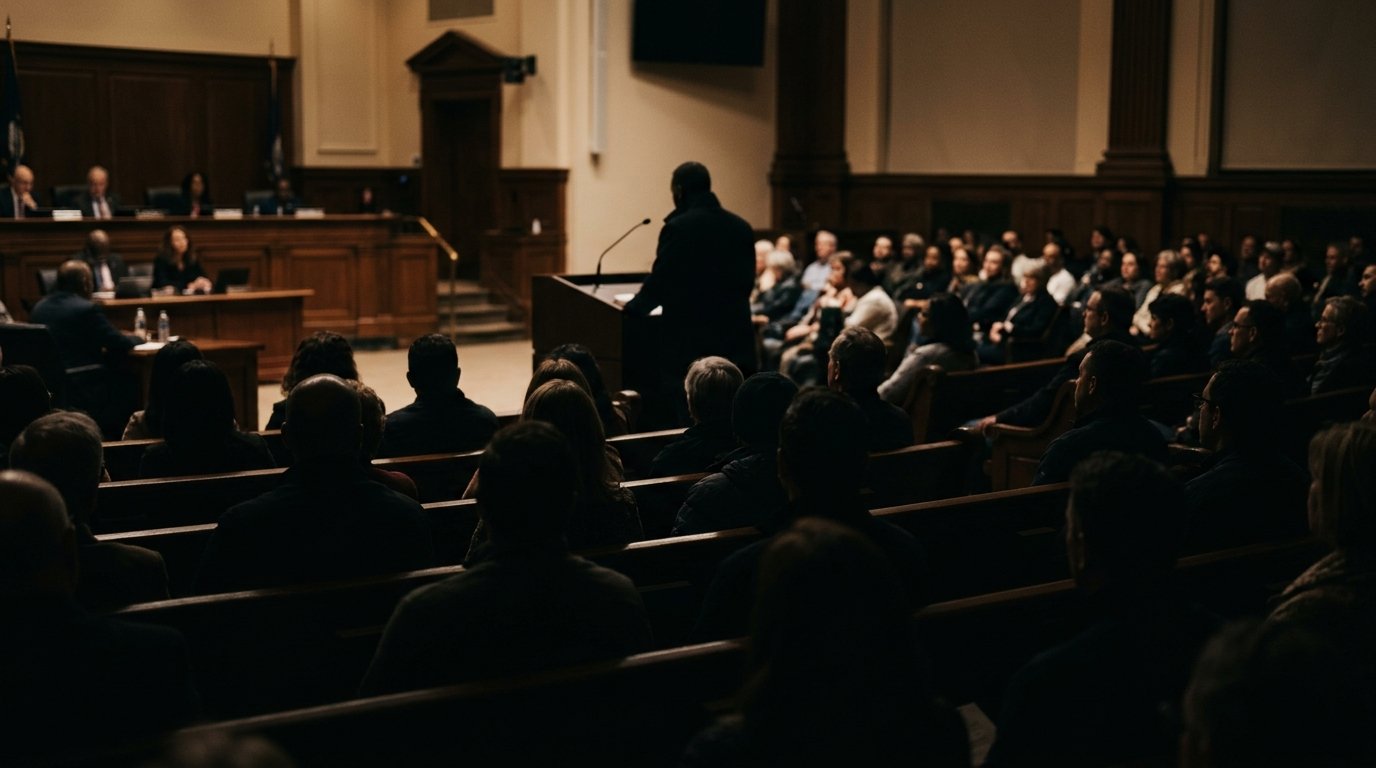
Adoption runs over three days, not one vote. August 12 is a Budget Adoption Reading; August 14 is the final reading, paired with the tax rate public hearing and utility rate hearings. To speak at either meeting, you need to register in advance through the City Clerk's Office — by phone, in person, or online — before the meeting starts.
Both meetings also carry non-budget agenda items, so if you're only there for the tax rate, check the posted agenda for where the budget items land in the order.
What Locals Should Know
- The vote spans three days this week: Wednesday, August 12 through Friday, August 14.
- The combined tax-and-fee increase the city cites is $345.95/year ($28.83/month) — property tax is $173.87 of that, fees make up the rest.
- No tax rate election is required this time; council can adopt the rate directly, unlike the rejected Prop Q process last November.
- If adopted, the new rate applies to the fiscal year starting October 1, 2026 — it won't show up on a tax bill before then.
- Public comment requires advance registration with the City Clerk's Office, not just showing up.
This isn't the 20% jump Austin voters rejected in November — it's roughly half that, in absolute terms, and it comes without a ballot fight. But "smaller than last year's rejected version" and "no increase" aren't the same thing: every Austin household and renter's landlord is still looking at real money, $345.95 a year, layered onto a summer of record water and electricity use. Worth watching whether council amendments this week move that number before Friday's vote.
FAQ
When does Austin City Council vote on the FY2027 budget? Final adoption happens over three meetings this week, Wednesday through Friday, August 12–14, 2026. August 14 includes the tax rate public hearing.
How much will my property taxes actually go up? At the proposed $0.57953/$100 valuation rate, the typical homeowner's city property tax bill rises about $14.49/month, or $173.87/year. That's separate from utility and fee increases.
What's the $345.95 figure, then? That's the city's combined estimate: property tax plus proposed increases to electricity, trash, water, drainage and the clean community fee for a typical tax-and-ratepayer, adding up to $28.83/month.
Did Austin exceed the state property tax cap this year? The city's own materials don't flag this year's proposed rate as requiring voter approval, unlike FY2026's rate, which was five cents above the cap and forced November's Proposition Q election.
What happened to Proposition Q? Austin voters rejected it in November 2025 by a wide margin — early vote ran 68% against — keeping the city at the lower, capped rate for the rest of that fiscal year.
How do I speak at the budget hearing? Register in advance with the City Clerk's Office (phone, in person, or online) before the August 12 or August 14 meeting.
Council could still amend line items before Friday's final vote — we're watching for any changes to the headline rate and will update if the number moves. Follow @austintexasthings for the outcome. For the fuller economic picture behind City Hall's numbers, browse ATX Things' bar revenue and development data, or explore more live local data below.
Related Austin Data
Share this article