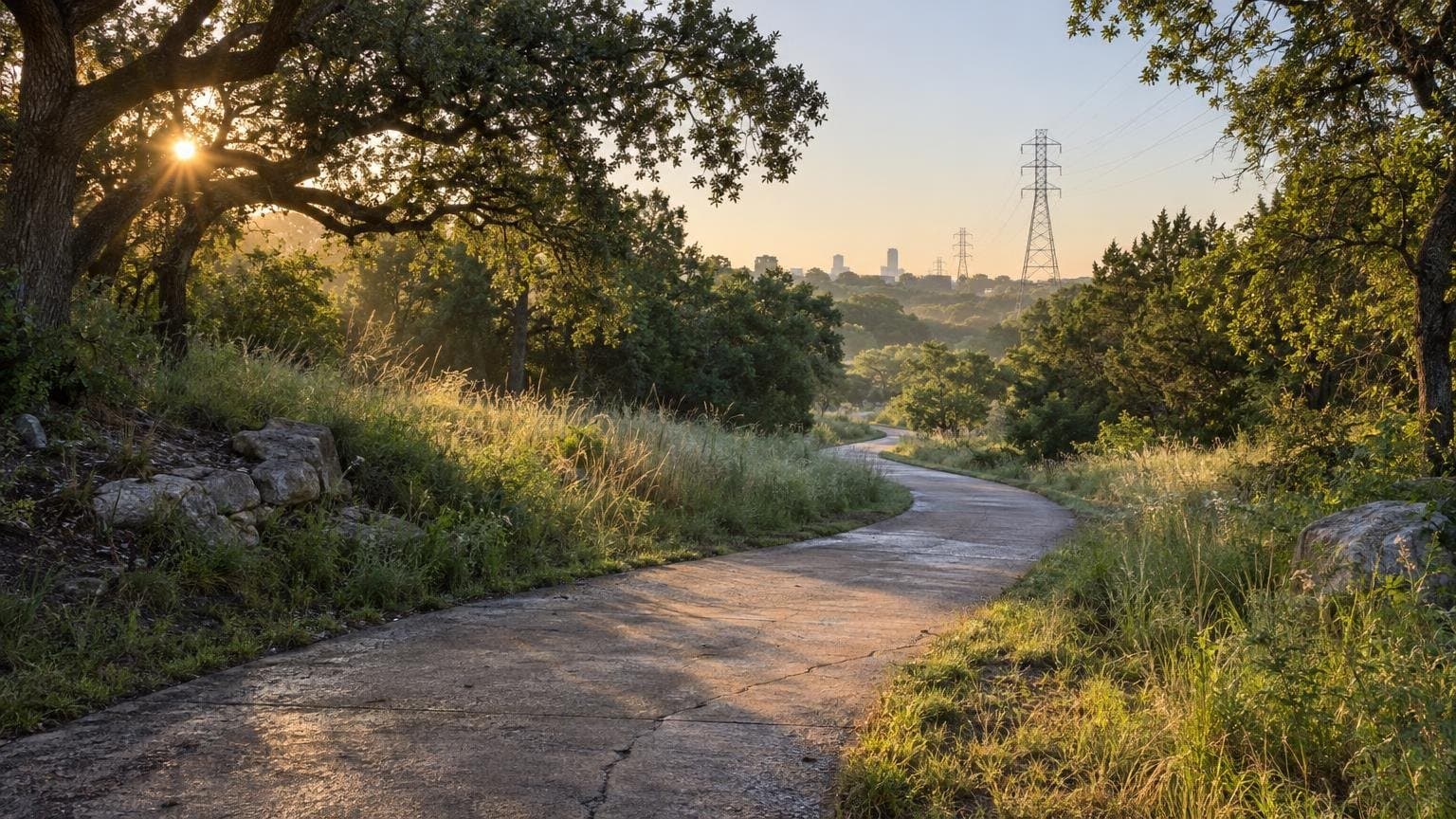
The Austin Nature and Science Center sits on the western edge of Zilker Park at 2389 Stratford Drive — free admission, open Monday–Saturday 9 a.m.–5 p.m. and Sunday noon–5 p.m. — a five-minute walk from the Barton Springs parking lot most Austinites have circled a hundred times. According to ATX Things analysis, it's the most-overlooked free attraction in Austin, Texas: a rescued-wildlife zoo, a hands-on dinosaur dig, and a real creek where staff hand kids nets and buckets at the front desk.
What is the Austin Nature and Science Center?
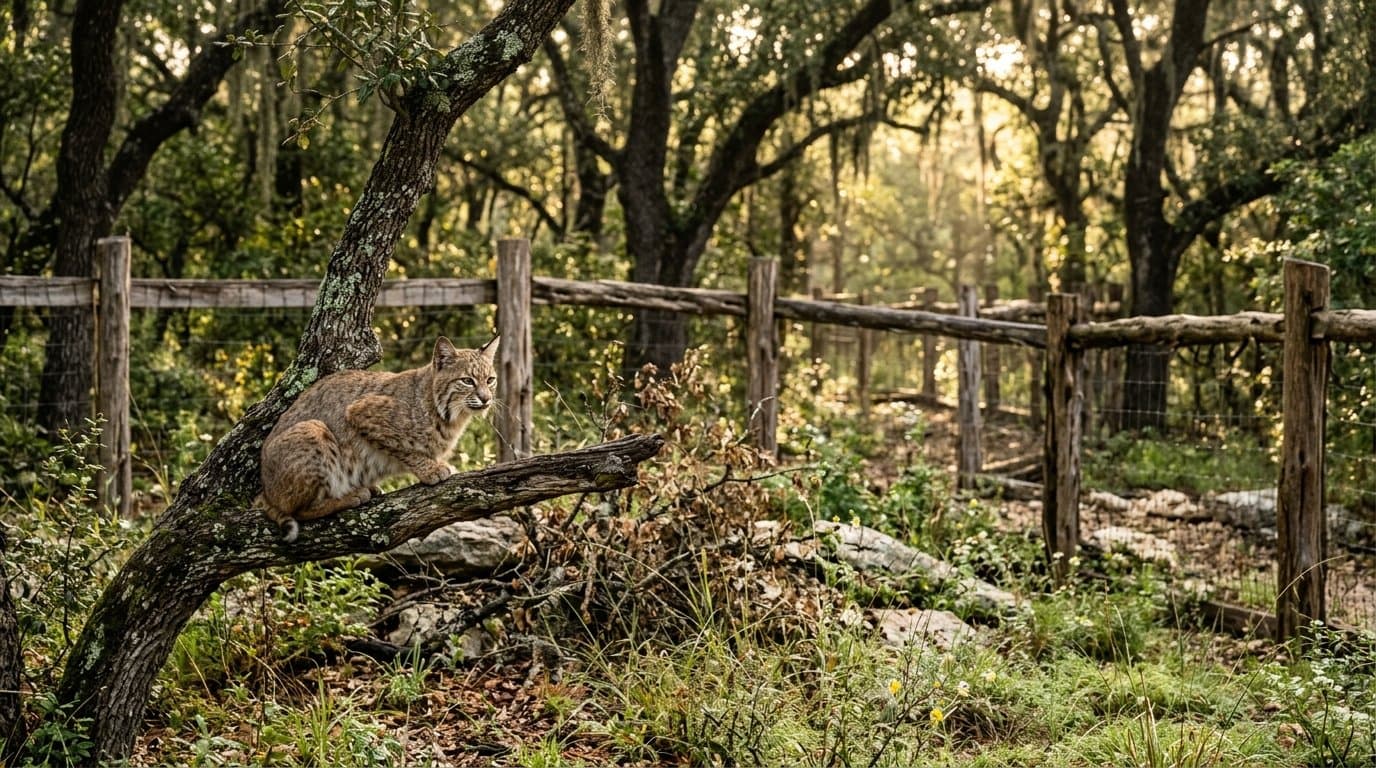
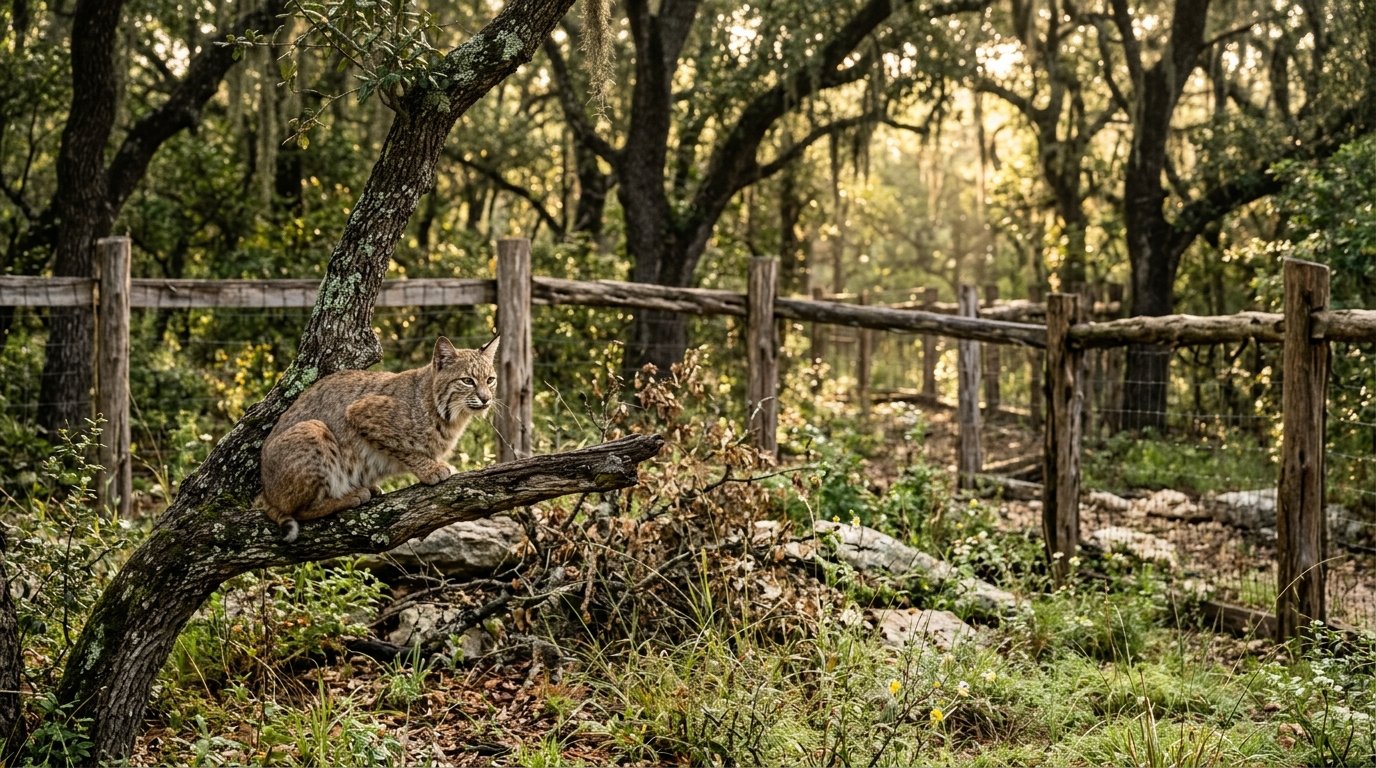
It's a City of Austin Parks and Recreation site that's operated on the same 80-acre corner of Zilker Park since 1960, run as a rehab home for animals that can't go back to the wild — not a zoo in the traditional sense. A bobcat, a porcupine, a raven, and birds of prey (hawks and owls, several with wing or eye injuries from collisions) live in outdoor enclosures along a shaded loop path. Most were imprinted on humans as babies, hit by cars, or shot; the center partners with licensed rehabbers to give them a permanent home instead of euthanizing animals that can't be released.
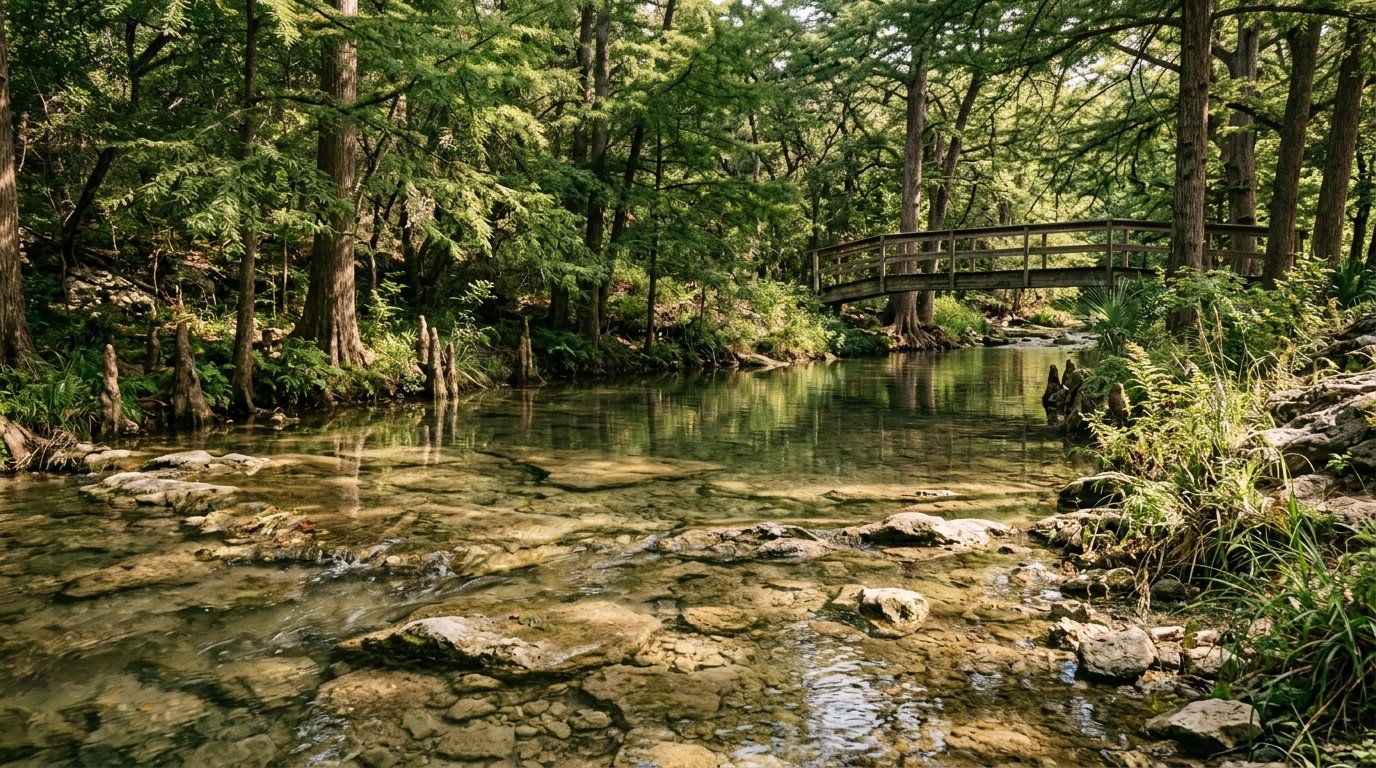
Inside, the Naturalist Workshop is a hands-on collection of bones, minerals, and taxidermy specimens you're actively encouraged to pick up — a sugar pine cone, a cow femur, a jar of Texas minerals. The Small Wonders building holds an axolotl tank, a beehive, snakes, and tree frogs. And a real creek and pond behind the visitor pavilion is where the free-nets policy comes in: staff will hand you a net and a bucket at the desk so kids can go catch (and release) whatever's living in the water. Outside nets aren't allowed — it's how the center keeps invasive species and chemical residue out of a creek that's also animal habitat.
Austin Nature and Science Center
FreeWhat will you actually find at the Dino Pit?
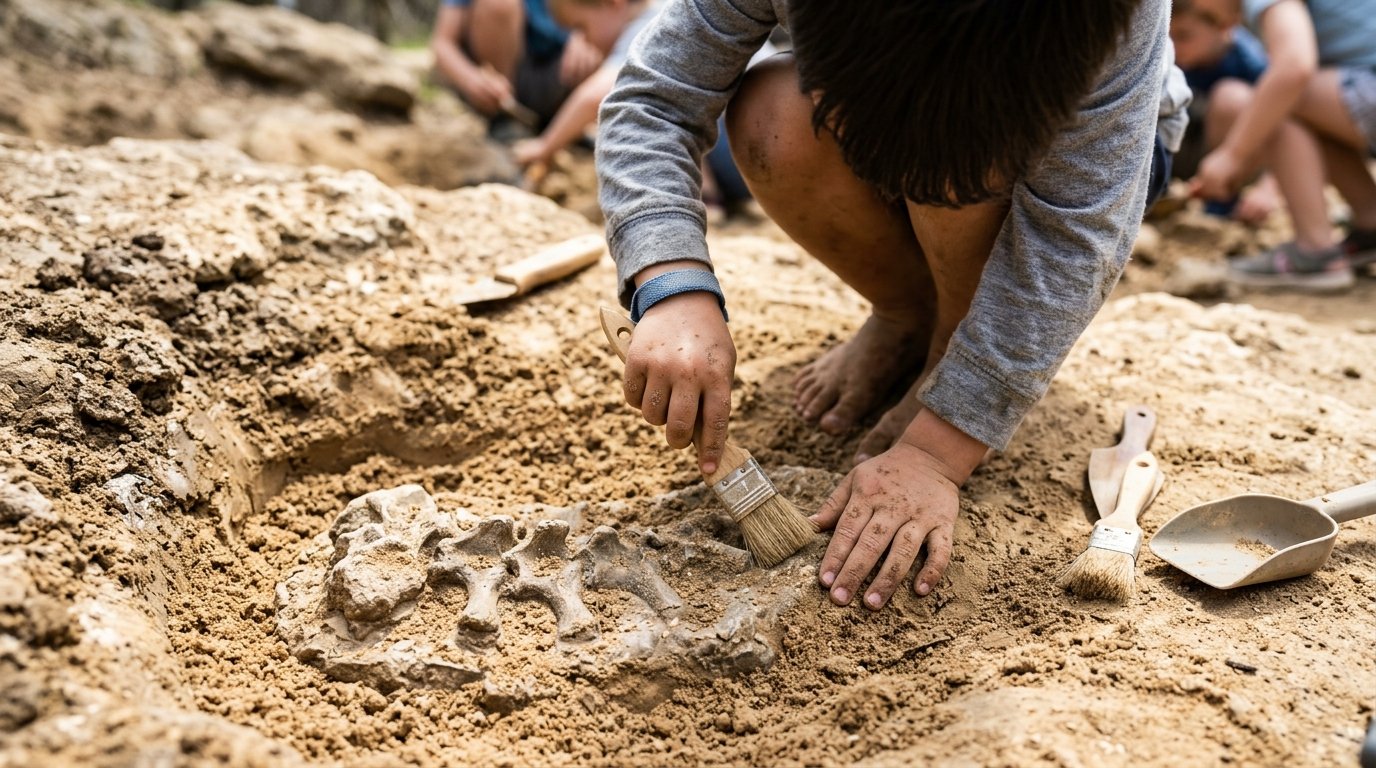
The Dino Pit is the center's signature draw and the reason most kids beg to come back. It's an outdoor paleontology exhibit built with the University of Texas's Texas Memorial Museum: an actual dig site where fossil casts — modeled on real specimens from the Memorial Museum's collection — are buried in sand for kids to excavate, plus dinosaur trackways, an 8-foot bronze mammoth ribcage at the entrance, and an observation deck for parents who'd rather watch than dig. One display even traces back to real fossils pulled from the 301 Congress Avenue construction site downtown years ago — a piece of Austin's own bedrock history, not an imported exhibit.
"If it wasn't so hot outside we would have stayed longer. Loved the birds of prey, the bobcat, the trader station and the small wonders (green bean the snake was a particular favorite). We had a good time at the dino dig and trying to catch fish. We'll definitely be back in the fall or spring. Great for kids, fun for all ages. Be sure to bring swimming clothes and to donate to this awesome, free place.
The "trader station" that reviewer mentions is the Trade Counter — a real, staffed exchange where kids bring in rocks, shells, or fossils they've found and trade them for points toward items in the naturalist shop. It only runs limited hours (Wed–Fri 10 a.m.–1 p.m., Saturdays 10 a.m.–4 p.m., Sundays 1–4 p.m.), so it's worth timing a visit around if that's the draw.
Is it worth the detour from Barton Springs?
Yes, and specifically because almost nobody makes it. Zac Goldstein, another Google reviewer, put it plainly: "it isn't particularly easy to get to by bus, but it's hard to argue with a chance to take in flora and fauna for free." The center pulls a fraction of Barton Springs' foot traffic despite sitting a few hundred yards away, because it's tucked behind the pool's parking lot with its own separate entrance on Stratford Drive — most people never see the sign.
Parking is free under the Mopac bridge, directly across from the entrance — a real alternative to circling for a Barton Springs spot on a hot morning, even if you're not planning to visit the pool at all.
Pets are not allowed on site, even leashed ones. If you're walking a dog through Zilker, this stop isn't for them — loop back after.
With today's high forecast at 99°F and climbing toward 100°F the rest of the week, the outdoor animal loop and Dino Pit are shaded but still exposed — go before 11 a.m. if you're bringing kids. The indoor Naturalist Workshop and Small Wonders building are air-conditioned, which makes them a legitimate midday heat-dodge if you time a visit around lunch instead.
What locals should know
- It's genuinely free, donations only — no ticket line, no timed entry, no app.
- Go on a weekday morning. One reviewer noted arriving at 4:45 p.m. found part of the exhibits already closing down; staff start winding things toward the 5 p.m. close well before the doors lock.
- Bring water shoes or old sneakers if the kids are going to net-fish in the creek — reviewers consistently mention getting wet.
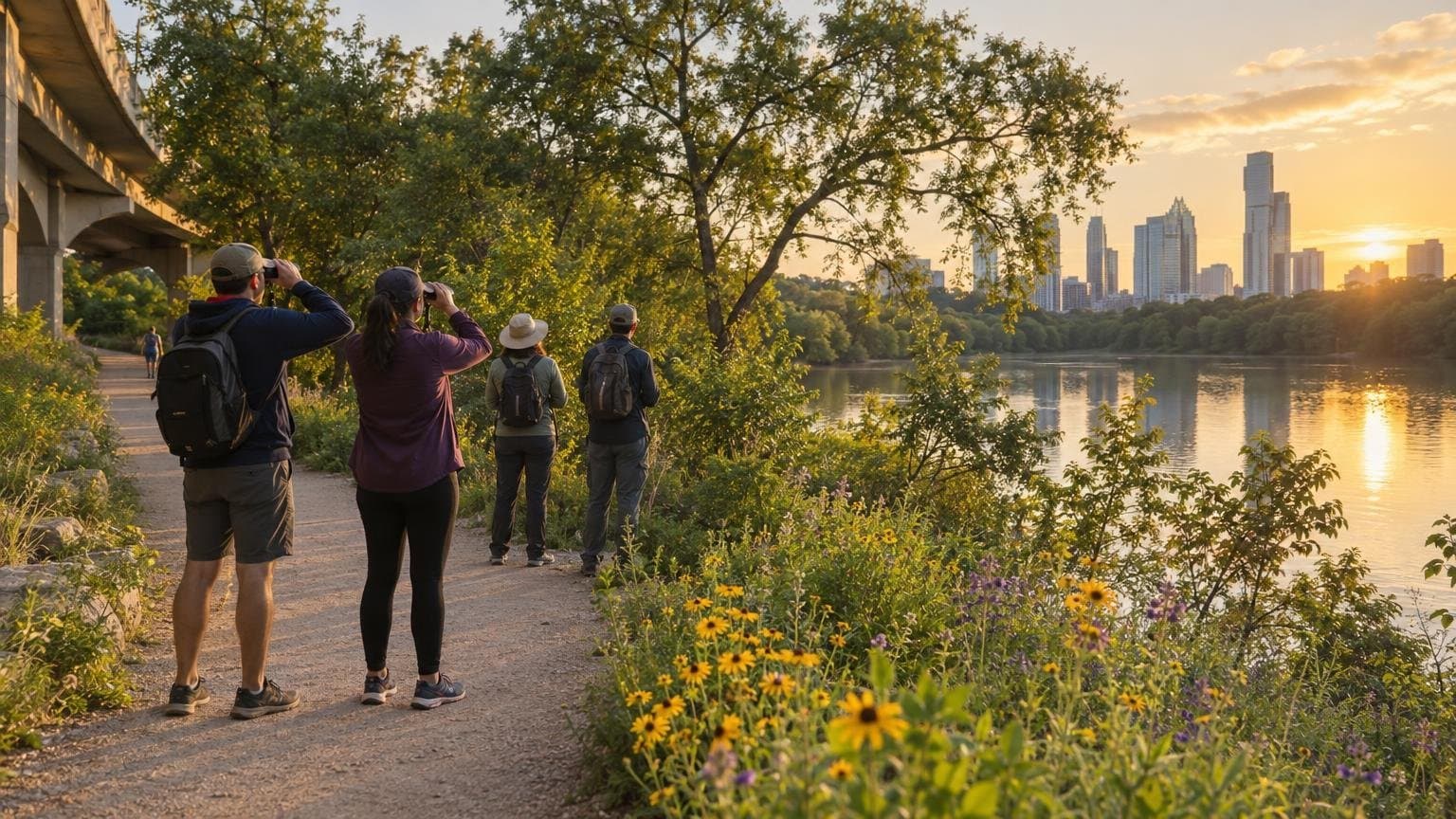
- The preserve trails stay open dawn to dusk even after the visitor buildings close, if you just want a shaded walk.
How to get there and plan your visit
The entrance is on Stratford Drive, on the opposite side of Zilker Park from the main Barton Springs Road entrance most visitors use. Free parking runs underneath the Mopac Bridge, directly across from the gate — genuinely easier than any Barton Springs Road lot most mornings. From downtown Austin, it's about a 10-minute drive via Barton Springs Road and Stratford Drive; there's no direct CapMetro route to the door, which is part of why it stays under the radar for anyone without a car.
Pair it with a walk through the rest of Zilker, or, if the heat wins, Zilker's other shaded, underrated stop — the Umlauf Sculpture Garden, an $8 sculpture garden a few minutes further down Barton Springs Road that gets the same "nobody stops here" treatment. For the main event next door, see our guide to Barton Springs Pool's 2026 season, and for the rest of the park, our full Zilker Park guide.
ZILKER
Interactive map with permits, restaurants, bars & development data
FAQ
Is the Austin Nature and Science Center actually free? Yes. Admission is free every day it's open; the center accepts donations at the front desk and through a wish list of animal-care supplies, but there's no entry fee or ticket required.
Are dogs allowed at the Austin Nature and Science Center? No. Pets aren't permitted on site, including in the outdoor animal-enclosure loop and the Dino Pit — a rule the center enforces because live rehab animals live along the same paths.
How long does a visit take? Most visitors spend one to two hours covering the wildlife loop, the Dino Pit, and the indoor exhibits. Families with young kids who linger at the creek or Trade Counter often stay closer to three.
Is parking actually free? Yes — a dedicated lot sits under the Mopac Bridge directly across Stratford Drive from the entrance, separate from the Barton Springs Road lots that fill up on hot weekends.
Related Austin Data
Share this article