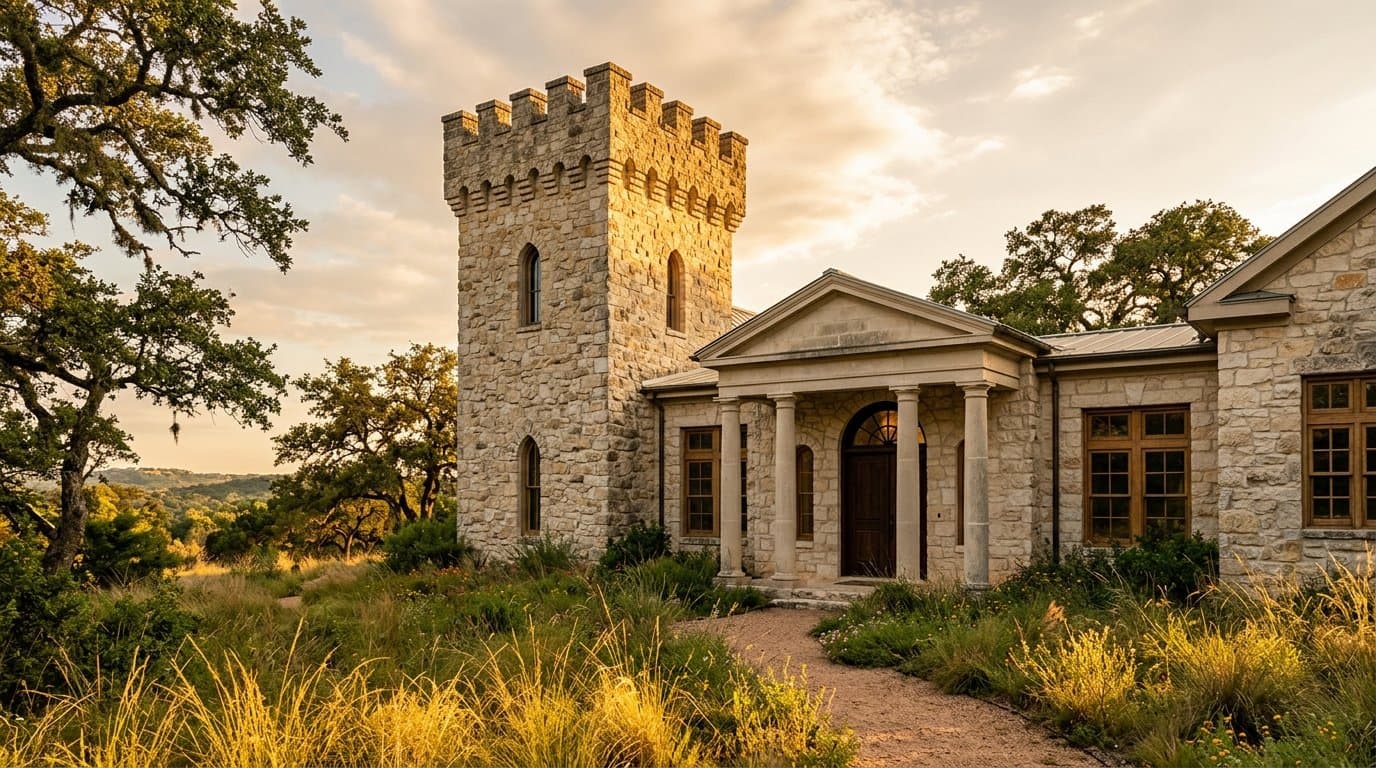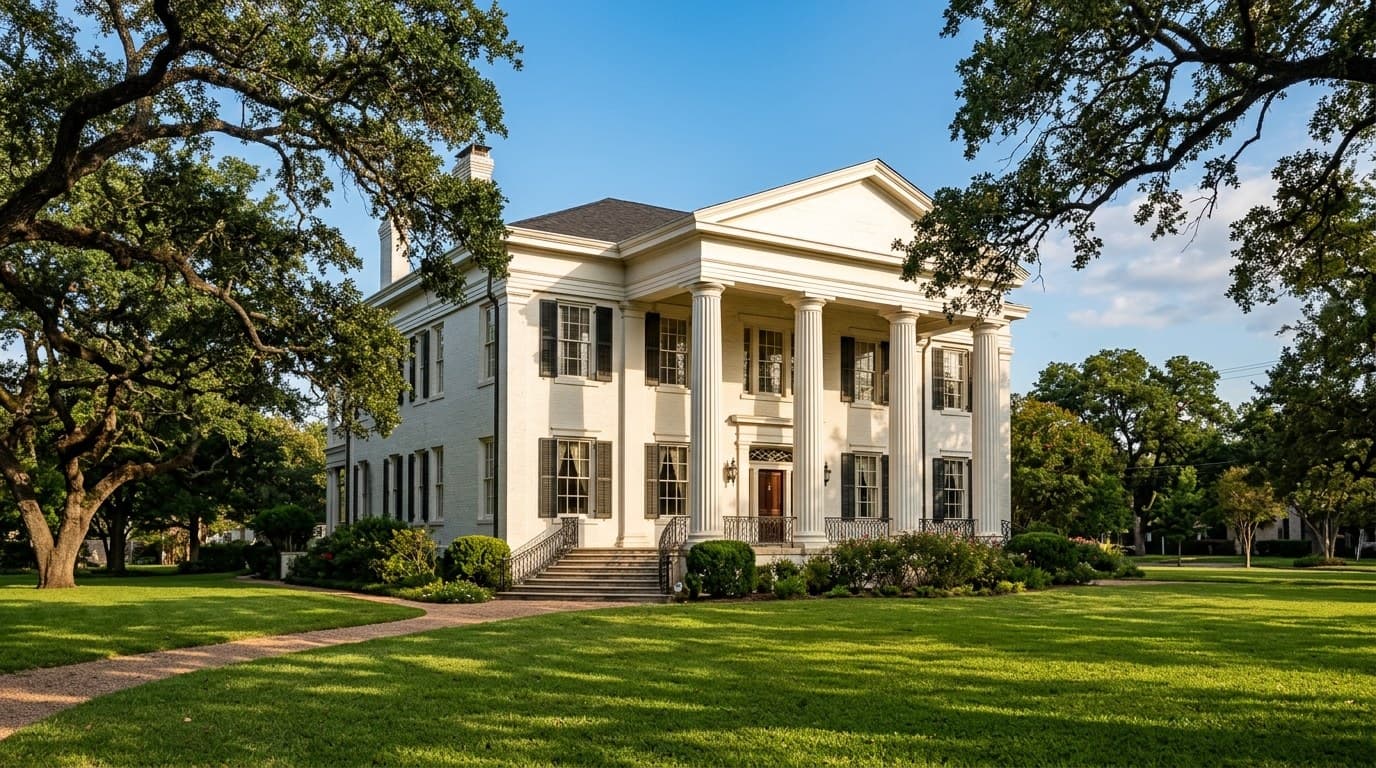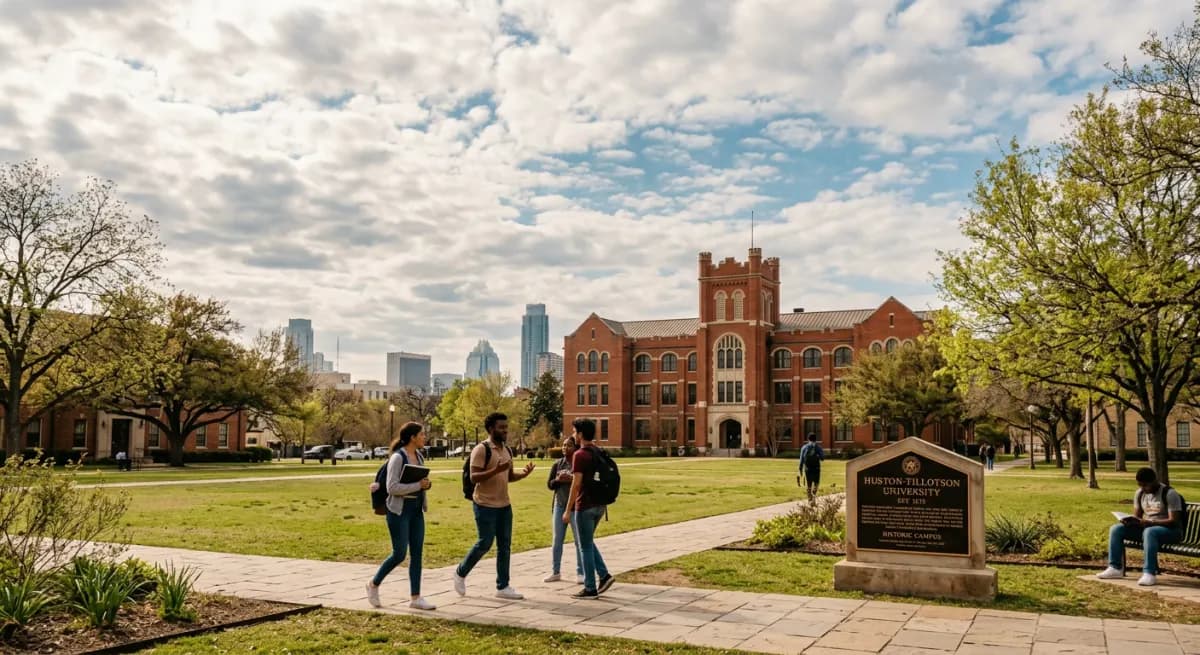
Huston-Tillotson University stands as Austin’s oldest institution of higher learning and the city’s only Historically Black College and University (HBCU), located at 900 Chicon Street in the heart of East Austin. For over a century, this faith-based liberal arts college has served not just as a place of academic study, but as a central hub for civil rights activism and community resilience. Understanding Huston-Tillotson’s history is essential for grasping the deeper social fabric of East Austin, a neighborhood that has long been a crucible for African American cultural and political life in Texas.
The Space and the Timeline
The university sits in a corridor along Austin’s central artery, a location that has kept it deeply embedded in the community it serves. According to the Texas State Historical Association, Huston-Tillotson is a prominent liberal arts college with a pioneering history in both medical science and social justice. The institution’s legacy is not confined to its classrooms; it extends into the streets of East Austin, where it has worked alongside local institutions to uplift residents.
The university’s commitment to local history is also preserved through its archives. The Huston-Tillotson University library maintains external resources that document the experiences of native East Austin residents, including Volma Overton Jr., Diane Gilmore Lang, and Margaret Wright. These records capture what it was like to live near and patronize the institutions of the neighborhood, offering a personal lens on the area’s evolution.
Civil Rights and Community Leadership
The civil rights legacy of Huston-Tillotson is a defining feature of its identity. The Austin American-Statesman noted that the university, tucked into the central corridor of the city, has a long history of engagement with civil rights issues. This is not merely a historical footnote; it is an active part of the institution’s current mission. The college has consistently worked in partnership with other local entities, such as Ebenezer Third Baptist Church, to address community needs and foster social progress.
This collaborative spirit is highlighted in recent media coverage, including a documentary produced by KXAN. The film, which explores the rich history of Austin’s oldest institution of higher learning, features interviews with long-time residents and alumni who speak to the university’s role in shaping the identity of East Austin. The documentary underscores the resilience and excellence that have characterized Huston-Tillotson since its founding in 1875.
Visiting and Engaging with the Legacy
For visitors and locals alike, Huston-Tillotson offers a window into the past while remaining an active participant in the present. The university’s website describes it as a faith-based HBCU in the vibrant heart of downtown Austin, emphasizing its dual role as an academic center and a community anchor.
EAST CESAR CHAVEZ
Interactive map with permits, restaurants, bars & development data
Explore the university’s library archives to see firsthand how East Austin residents have documented their own histories and experiences.
While the university is operational, specific hours for public access to certain archives or buildings may vary. Check the official website for the most up-to-date information before visiting.
FAQ
What is Huston-Tillotson University’s primary historical significance? It is Austin’s oldest institution of higher learning and the city’s only HBCU, with a deep legacy in civil rights activism and community leadership in East Austin.
Where is the university located? It is at 900 Chicon Street, in the heart of East Austin, near the city’s central artery.
How can I learn more about the university’s history? The university’s library archives contain external resources and personal accounts from native East Austin residents, and a recent KXAN documentary provides a visual and narrative deep dive into its legacy.
Related Austin Data
More Austin Guides
Share this article