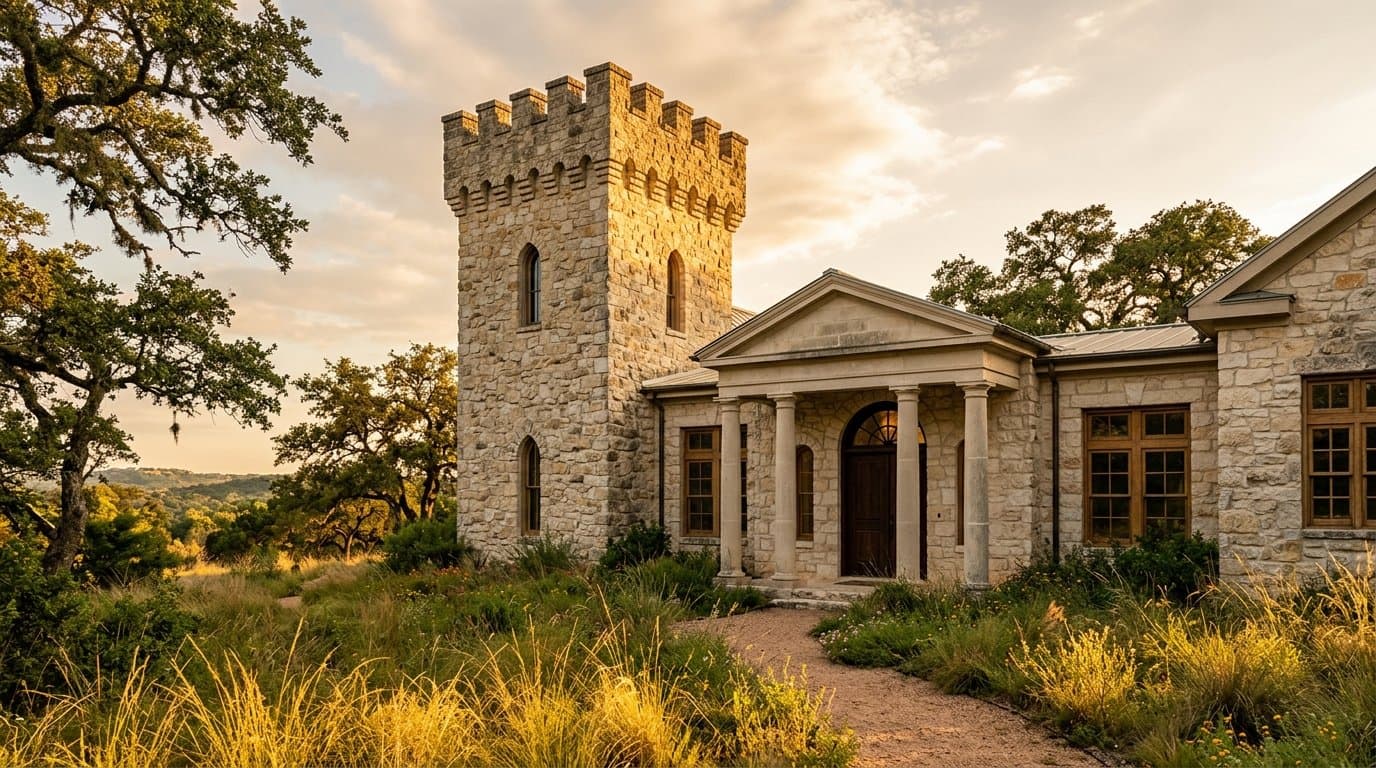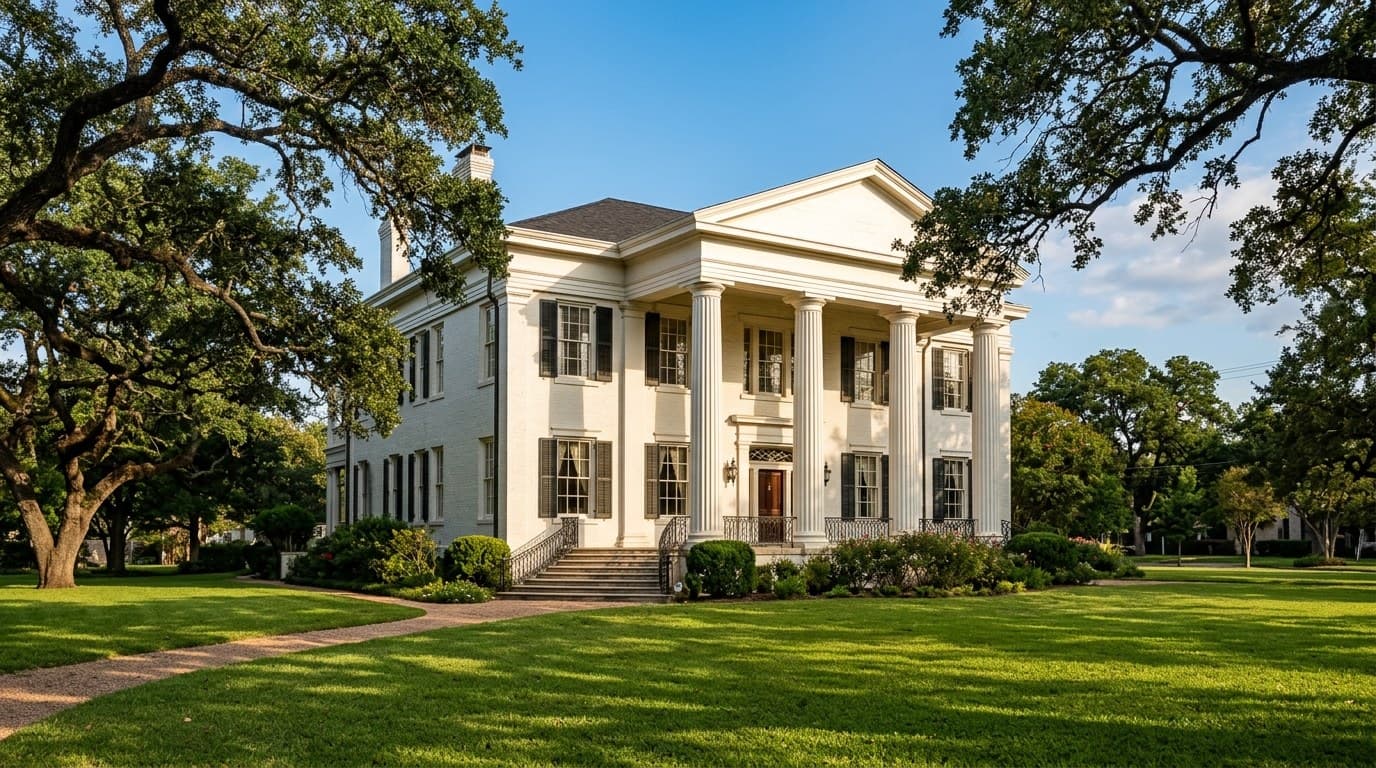
A mansion two blocks from UT's West Campus dorms sat empty for its first two decades — its original owners sold five enslaved people to help pay for it and still couldn't afford to move in. Then it became a school for the blind, then a Union field hospital, then a family home for 65 straight years. Today it's the Neill-Cochran House Museum, and it holds the only intact, publicly visitable slave quarters left standing in Austin, Texas.
What is the Neill-Cochran House Museum?
The Neill-Cochran House is an 1855 Greek Revival mansion at 2310 San Gabriel St in West Campus, built by master builder Abner Cook — the same craftsman who built the Texas Governor's Mansion a few years later. According to ATX Things analysis of the museum's own occupancy records and the Texas Historical Commission's National Register nomination, the house has passed through five distinct lives: unoccupied showpiece, state school, wartime hospital, private residence, and now a small history museum operated by the National Society of the Colonial Dames of America in Texas. It's one of a handful of 19th-century house museums still standing in the city, alongside the Austin History Center's own archives and the French Legation a few miles east.
Neill-Cochran House Museum
$10 adults / $8 students & seniors / free for members & under 12Why did its first owners never move in?
In 1855, a 30-year-old Austin couple, Washington "Wash" Hill and his wife Mary, hired Abner Cook to build a grand Greek Revival estate on nearly 18 acres northwest of the young capital city. Like most white Austinites of the era, the Hills were enslavers, and they designed the house — including a slave quarters that's the only intact structure of its kind left in the city — to be run on enslaved labor. Their ambitions outran their money: according to the museum's own history, they sold five enslaved people trying to finance the build and still couldn't afford to finish moving in. They sold the unfinished estate to land speculators without ever spending a night there.
The house's construction record is unusually well-documented for antebellum Austin, in part because the museum has made a deliberate project of publishing it — including the names of enslaved people tied to the property where they survive in the historical record.
How did a blind school turn into a Custer field hospital?
The speculators leased the property to Texas's newly founded Asylum for the Blind, whose teachers and students became the house's first real occupants — alongside at least five enslaved people hired out to the school, named in surviving records as Louisa, Lam, an unnamed woman and her 8-year-old daughter, and a girl owned by then–Secretary of State Edward Clark.
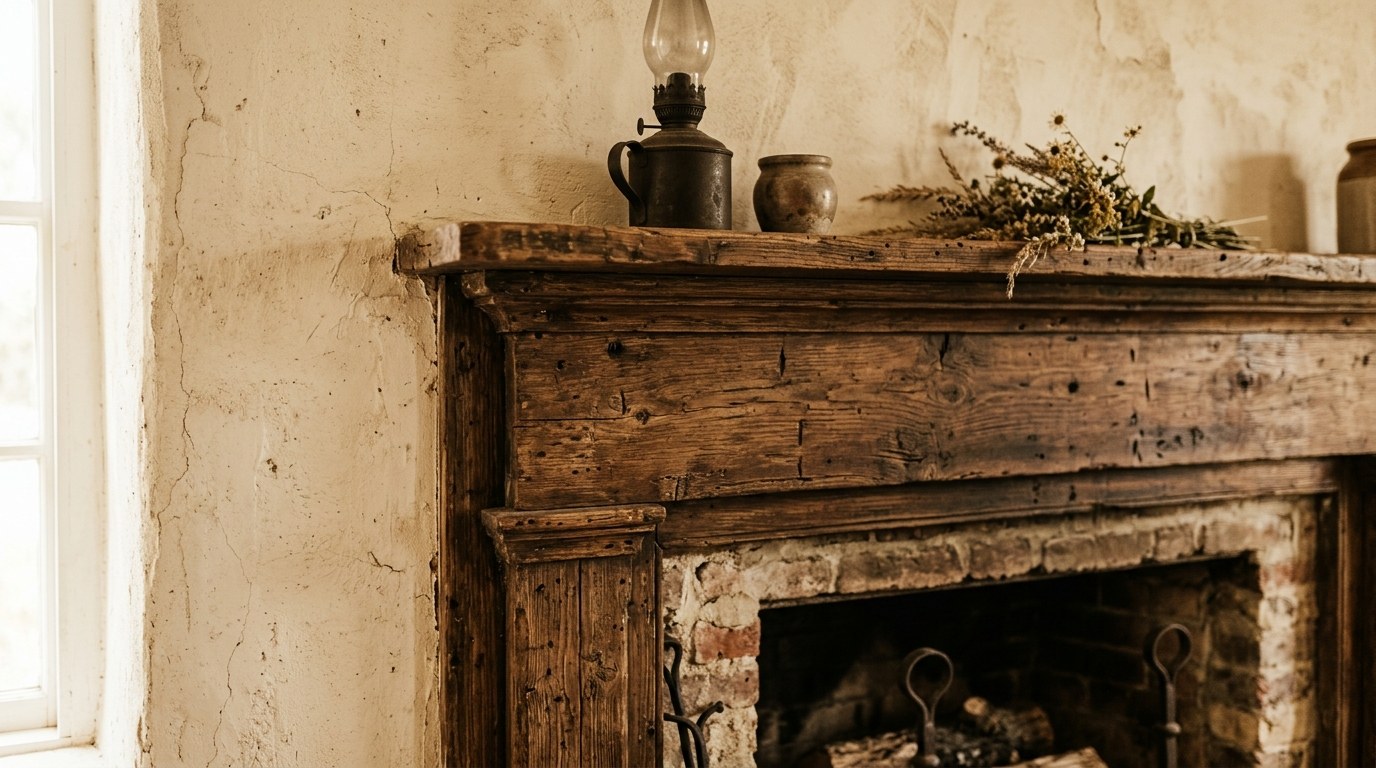
The house's strangest chapter came at the end of the Civil War. Lieutenant Governor Fletcher Stockdale, who briefly served as Texas's governor in 1865, was living on the property on a lease-to-own deal when he surrendered Texas to Union forces under Colonel George Armstrong Custer. Custer's troops then requisitioned the Hill mansion as a federal war hospital for soldiers recovering from yellow fever and cholera — confirmed independently by the Texas Historical Commission's 1970 National Register nomination, not just the museum's own account. The soldiers damaged the property extensively, but that damage is oddly useful today: it's how historians confirmed the house's original wood picket fence, plastered interior walls, and wooden mantelpieces, all of which survive.
"If you're an architecture buff or a history buff this is a must see... The slave quarters are particularly interesting. Sometimes it is hard to remember/believe that slavery was practiced in Austin, and this is a reminder of that.
Who turned it into an actual home?
The house sat vacant of a true owner-occupant until roughly 1875, when Confederate veteran Andrew Neill and his wife Jennie bought it — drawn by its size despite its then-remote location far from the Capitol and downtown. The Neills threw parties well-known for their wine cellar and entertained the political class of the day. In 1892, federal judge Thomas Cochran moved his family to Austin for his new post, leased the house, then bought it outright in 1895. The Cochrans lived there for 65 years across four generations, through World War I, the 1918 flu pandemic, the Great Depression, and World War II — before the Colonial Dames took over as caretakers in 1958 and opened it as a museum.
What's in the slave quarters tour?
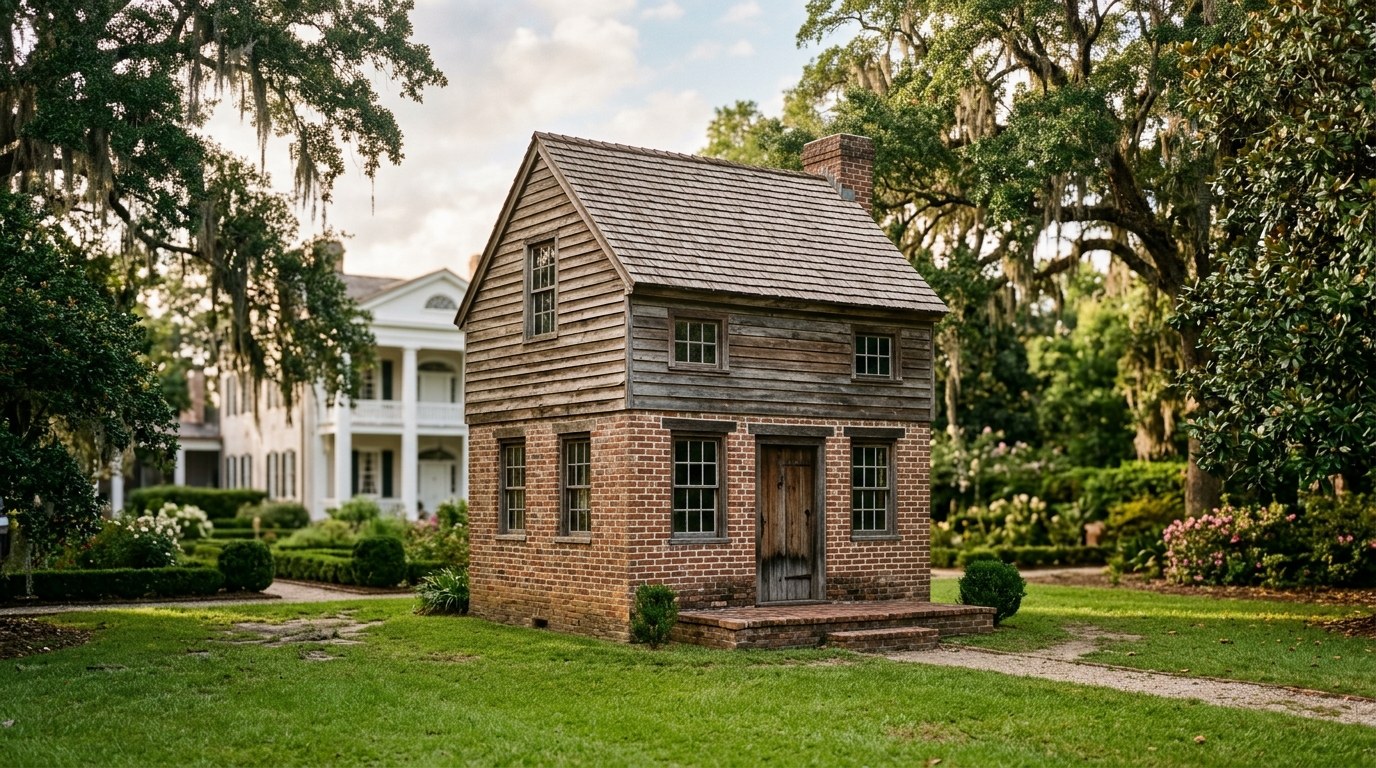
The two-story dependency building behind the main house is the only intact slave quarters still standing in Austin, and it's recently been restored. Once a month, the museum runs "Urban Enslavement in Austin — The NCHM Slave Quarters Tour," a one-hour guided walk through the building and grounds that addresses the institution's role in the city directly rather than skipping past it. It's not folded quietly into the general house tour — it's its own ticketed, guided experience, with the next date set for October 18, 2026. The regular self-guided audio tour, included with general admission any open hour, still covers the main house and its rotating history and art exhibits. If house museums are your thing, the O. Henry and Susanna Dickinson museums downtown cover a different, free-admission slice of the same era.
The guided slave quarters tour runs on a fixed monthly schedule, not daily — check nchmuseum.org/events before planning a visit around it specifically. The self-guided house tour is available every open hour, no reservation required.
| Year(s) | What happened |
|---|---|
| 1855–56 | Built by Abner Cook for Wash and Mary Hill, who never moved in |
| 1857–~1861 | Leased to the Texas Asylum for the Blind |
| 1865 | Requisitioned by Custer's Union troops as a wartime hospital |
| ~1875 | Andrew and Jennie Neill become the first true owner-occupants |
| 1892–1957 | The Cochran family's 65-year, four-generation residency |
| 1958–present | Preserved and operated as a museum by the Colonial Dames of Texas |
What should you know before you go?
Parking is free on-site — a real perk two blocks from West Campus, where every other lot charges. Go on a weekday afternoon if you want the house to yourself; Saturdays draw more groups and the occasional private event.
- Hours: Wednesday–Sunday, 11 AM–4 PM. Closed Monday and Tuesday.
- Price: $10 general admission, $8 for students and seniors 65+, free for members and children under 12.
- Getting there: 2310 San Gabriel St — a short walk from UT's West Campus, with free on-site parking.
- Time needed: Budget 45–60 minutes for the self-guided house tour; the guided slave quarters tour runs a separate hour on its own monthly date.
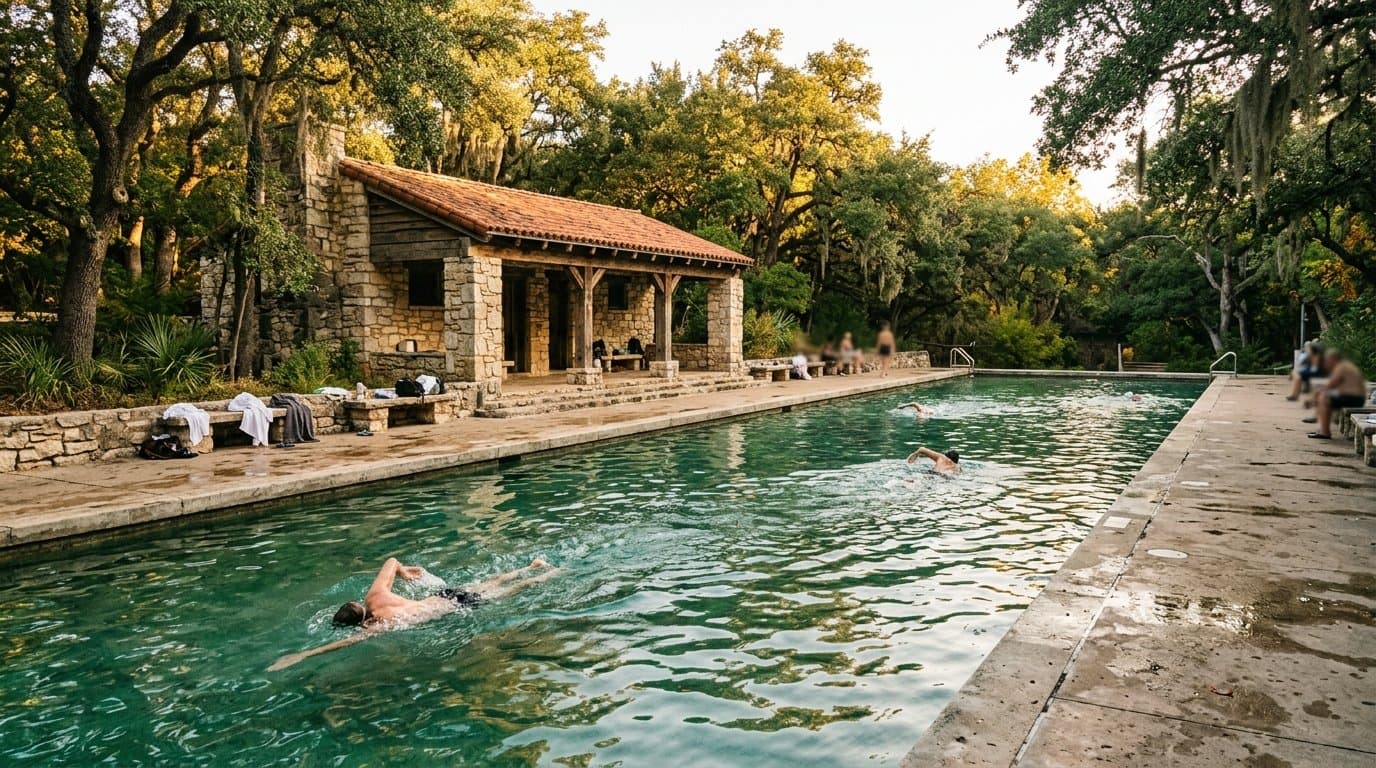
- Heat note: With today's high near 100°F, the museum's shaded lawn and air-conditioned interior make it a legitimate mid-afternoon heat-dodge, not just a history stop — pair it with Deep Eddy Pool afterward if you want the outdoor version of the same "old Austin, still working" theme.
FAQ
Is the Neill-Cochran House Museum open today? Yes, if today falls Wednesday through Sunday, 11 AM–4 PM. It's closed Mondays and Tuesdays year-round.
Who built the Neill-Cochran House? Master builder Abner Cook constructed it in 1855–56 for Washington and Mary Hill — the same Cook who later built the Texas Governor's Mansion.
Is the slave quarters tour included with regular admission? No. The self-guided house tour is included with general admission any open hour. The guided "Urban Enslavement in Austin" slave quarters tour is a separate, ticketed experience offered once a month — next scheduled for October 18, 2026.
How much does it cost to visit? $10 for general adult admission, $8 for students and seniors, and free for museum members and children under 12.
Why is it called the Neill-Cochran House if neither family built it? It's named for the two families who lived there the longest — the Neills starting around 1875, and the Cochrans from 1892 to 1957 — not its original builders or first occupants.
Two blocks from a dorm most UT students walk past without a second look sits a building that was a state school, a Union Army hospital, and a family home across four generations — and it's still standing, open five days a week, with the receipts to prove all of it. For more standing-history spots like this one, browse our full things to do in Austin guide. We're watching for the next slave quarters tour date and any word on further restoration — follow @austintexasthings for the update.
Related Austin Data
Share this article